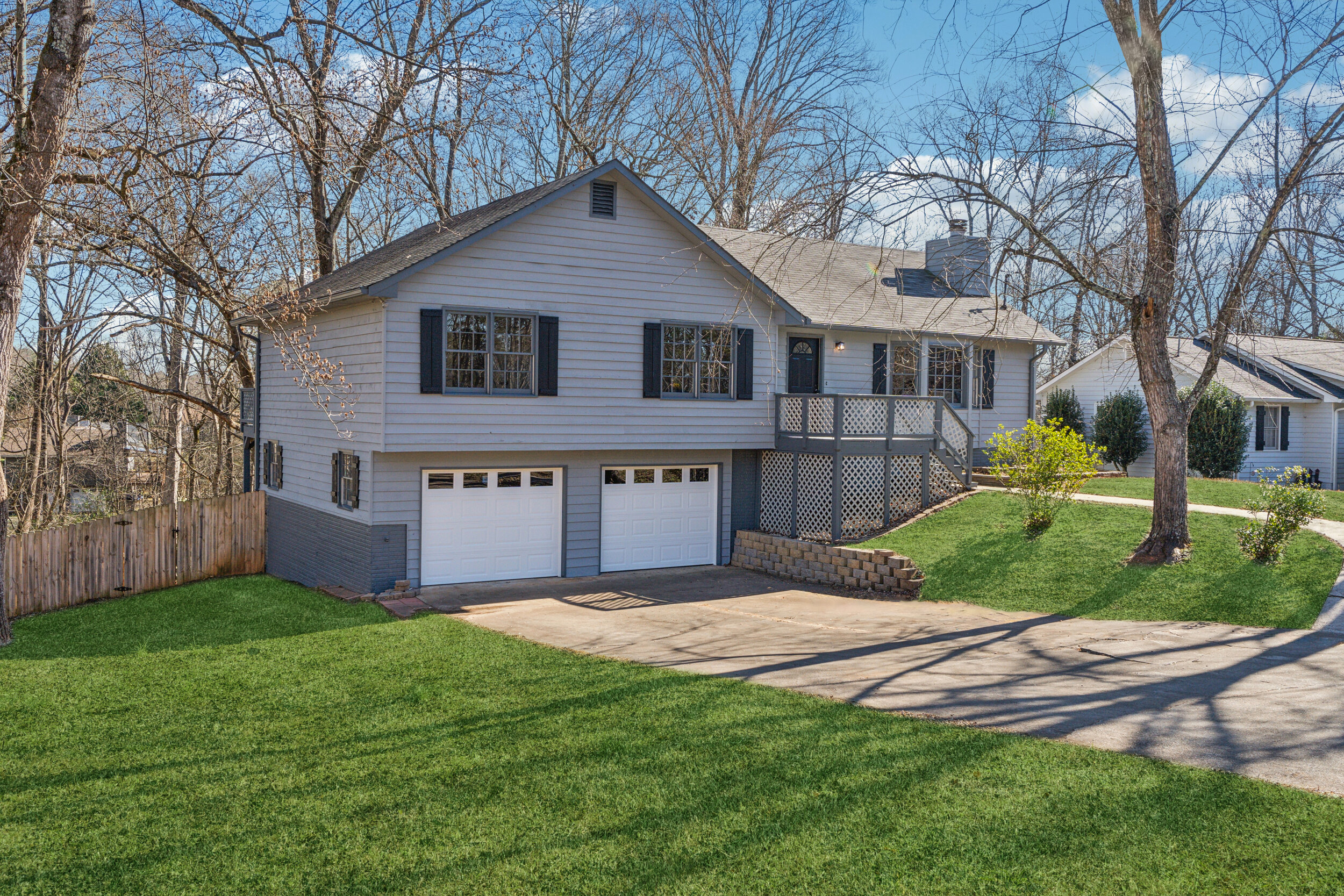


Why So Many Foreclosed Homes in Georgia Are Still Occupied?
A recent study estimates that 47% of foreclosed properties are still occupied.
When people first hear that number, they’re often surprised.
I’m not.
Over the years, I’ve worked with many homeowners facing foreclosure in Georgia, and what most people don’t realize is this:
Banks are not in the business of owning houses.
They’re in the business of lending money.
When a bank forecloses, owning the home is usually the last thing they want. It’s simply a step they’re forced to take so they can eventually sell the property and recover as much of the loan balance as possible.
Why Banks Often Don’t Want Homes Vacant
Once a home goes vacant — especially a foreclosed one — the risk goes up quickly.
Vacant houses are more likely to:
-
Fall into disrepair
-
Be vandalized or broken into
-
Attract crime or squatters
-
Lose value fast
Because of that, lenders often prefer that a property stay occupied, even after payments have stopped and foreclosure has begun. An occupied home is usually better maintained, safer, and ultimately easier for the bank to sell later.
So while it may feel like the bank wants you out immediately, the reality is more complicated — especially in a non-judicial foreclosure state like Georgia, where timelines can move faster but communication isn’t always clear.
“Living for Free” After Foreclosure — The Myth vs. Reality
You’ve probably seen headlines or stories about people “living for free” after foreclosure, sometimes for months or even years. There are also stories about banks supposedly abandoning properties altogether.
I get why that sounds tempting.
But here’s the truth:
It’s rarely intentional, and it’s almost never simple or risk-free.
Banks don’t just decide to stop collecting payments. Situations where people stay in a home long-term without paying usually happen because of:
-
Administrative errors
-
Legal delays
-
Missteps in the foreclosure process
And while those situations do happen, relying on them can put you in serious trouble — legally and financially.
The goal shouldn’t be to “game the system.”
The goal should be to protect yourself and make informed choices.
So Why Are So Many Foreclosed Homes Still Occupied?
Because no one benefits from an abandoned house.
Not the bank.
Not the neighborhood.
And not you.
In Georgia, foreclosure laws and timelines can create situations where:
-
The bank wants the home occupied for now
-
But also wants possession eventually
-
And the homeowner is left confused about what’s allowed
That’s why it’s important to understand your legal options, instead of relying on rumors or worst-case assumptions.
How to Stay in Your Home After Foreclosure in Georgia (Legally)
Not every option applies to every situation, and some depend on your lender, timing, and the condition of the property. This is where getting clear guidance really matters.
Here are some legal paths that may apply in certain cases:
1) Wait It Out (With Awareness)
This happens more often than people admit, but it’s not something I recommend blindly.
Foreclosure in Georgia is a process. It doesn’t happen overnight, and it’s not final until it’s final. You don’t need to panic and abandon your home the moment you receive a notice.
At the same time, waiting until the sheriff shows up is not a plan.
If you choose to stay, it should be with eyes wide open, knowing your timeline and preparing for what’s next.
2) Legal Challenges (Rare, But Possible)
In some situations, foreclosure sales or evictions are delayed because a lender failed to follow legal requirements.
This usually requires:
-
An attorney
-
Strong documentation
-
Time and money
While there have been cases of bank errors uncovered over the years, fighting a foreclosure through the courts is difficult and not realistic for most homeowners. It’s important to weigh the emotional and financial cost carefully.
3) “Cash for Keys” (Move-Out Assistance)
Sometimes, buyers or lenders would rather pay a homeowner to leave the property in good condition than deal with the cost and time of eviction.
This is commonly called “cash for keys.”
It may feel uncomfortable at first, but it’s actually a practical solution in many cases. It can:
-
Give you money to relocate
-
Buy you time to move properly
-
Help everyone avoid additional legal costs
Handled correctly, it can be a win-win.
4) Renting the Home Back (Short-Term)
In certain situations, banks — or buyers like myself — may allow a short-term rent-back arrangement.
This means:
-
You stay in the home temporarily
-
You pay rent instead of a mortgage
-
You agree to move once the property is sold
This isn’t always available, but in some cases, it creates breathing room while you figure out next steps.
Why Exploring Your Options Early Matters
If you’re reading this, it means you’re already doing something important: seeking information instead of avoiding the situation.
I work with homeowners who feel overwhelmed, embarrassed, or unsure who to trust. My role isn’t to pressure you — it’s to help you understand what’s realistic and what makes sense for you.
I can’t help everyone.
But in some cases, I can help more than you might expect.
Talk With Me — No Pressure, Just Clarity
If you’re facing foreclosure in Atlanta, Georgia, and trying to understand whether staying, selling, or transitioning makes sense, you don’t have to figure it out alone.
You can fill out the form on this page and share a little about your situation. I’ll personally review it and let you know what options you may have — even if selling isn’t the right answer.
If you’d rather talk, you can also call or text me directly at (404) 465 4646.
If I’m unavailable, leave a message, and I’ll get back to you as soon as I can.
No pressure. No judgment. Just honest information so you can make the best decision for yourself.
🔗 Additional Trusted Resources
If you’d like to explore official, neutral information related to foreclosure and homeowner assistance, these resources may be helpful:
-
U.S. Department of Housing and Urban Development (HUD) –
Foreclosure Avoidance & Housing Counseling
https://www.hud.gov/topics/avoiding_foreclosure -
Consumer Financial Protection Bureau (CFPB) –
Mortgage Help & Foreclosure Information
https://www.consumerfinance.gov/consumer-tools/mortgages/ -
Georgia Department of Community Affairs (DCA) –
Homeowner Assistance & Housing Resources
https://www.dca.ga.gov/safe-affordable-housing/homeownership
These sources provide general information and may help you better understand programs, rights, and next steps related to foreclosure and housing stability.
⚖️ Important Disclosure
I am not an attorney, and this information is not legal advice.
Every foreclosure situation is different, and laws can vary. For legal guidance specific to your circumstances, I strongly recommend consulting with a qualified real estate or foreclosure attorney.
